
A diploma guarantees nothing. However, in interior design, the lack of certification often closes more doors than it opens. Clients do not only expect taste or boldness: they want tangible proof, achievements, references. Without a solid portfolio or a recognized diploma, it is difficult to convince and secure those first projects where everything is at stake.
Before landing the first contract, one must go through a series of steps that are sometimes overlooked: choosing the right APE code, obtaining liability insurance, complying with the administrative reality of self-employment. Everything is interconnected; each step conditions the next. Training, building an offer, refining one’s image, organizing: success is never a matter of chance.
Understanding the interior designer profession: missions, skills, and realities on the ground
The interior designer walks a tightrope between technical constraints, aesthetics, and the concrete expectations of their clientele. Each new space begins almost like an investigation: analyzing the location, listening to needs, reflecting on light, materials, and circulation. Here, it is not about randomly adding a splash of color to a wall, but truly about creating meaning, bringing to life an interior that is unlike any other.
On a daily basis, everything relies on mastering technical know-how: reading plans, knowledge of materials, anticipating atmospheres. Digital tools are essential: 3D modeling, photorealistic rendering, simulated project management. Software does not do everything, but it accelerates imagination. Knowing how to handle technology opens doors and sharpens perception.
On the other hand, there is the field. The surprises of the job site, last-minute requests, coordinating artisans… Nothing ever goes as planned. Knowing how to balance firmness, listening, and immediate reaction is the art of the profession. To hope to convince, one must above all be able to present a striking interior architect portfolio: a few solid projects, high-quality images, proof by example that trust can be given.
Everyone seeks to carve their own path, but it is better to rely on reliable benchmarks. To navigate the diversity of missions and understand where to place one’s own ambitions, check out the steps to become an interior designer. This overview sheds light on the true face of the profession, its opportunities, and its multiple demands.
What paths and training should be prioritized to confidently embark on a career in interior design?
It is impossible to prescribe a single path to the profession of interior designer. Some begin a long training program at a school of interior architecture, where learning plans, hands-on exercises on-site, and designing real spaces coexist. Others opt for specialized courses, sometimes online, to immediately gain skills in specific areas.
From the BTS Design d’espace to a professional license, through private schools, programs range from bac+2 to bac+5. All open the door to space creation and offer a first immersion. Building a network and creating a portfolio from the start of training prepares one’s future credibility.
During studies or in a career change project, it is better to focus on a few key learnings:
- Master the major modeling and 3D rendering software
- Practice technical drawing and detailed plans
- Test oneself on supervised projects or undertake immersive internships
Continuing education also attracts those from different backgrounds who want to enhance their experience in interior architecture or project management. Choosing this profession means betting on adaptability, daily learning, and careful observation of the market, trends, and real uses.
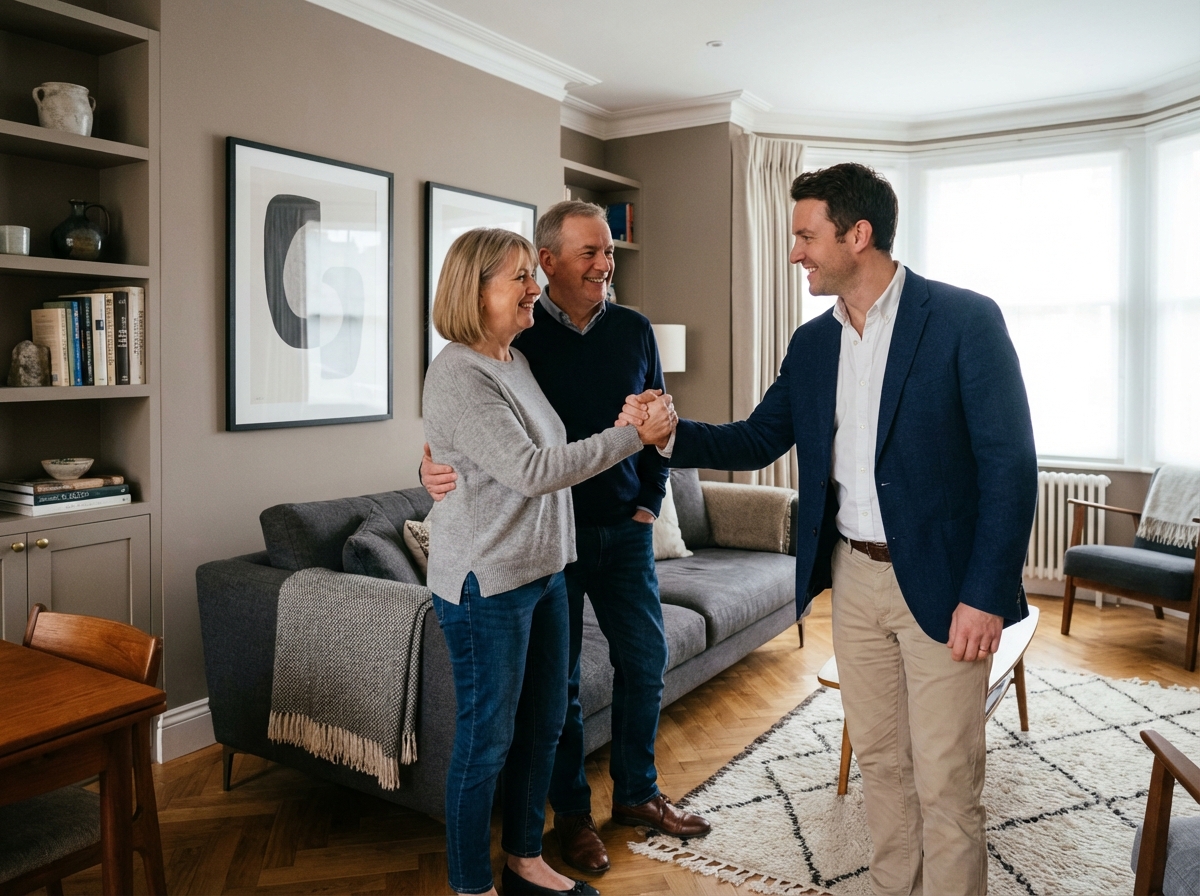
From registering as a self-employed worker to landing first clients: the concrete steps to start your activity
The status of self-employed worker remains the most agile way to launch into interior design. The formalities are done online, for free. An identity document, an activity form, sometimes a certificate of non-conviction, and the key to the SIRET number officializes the creation of the interior design business.
Caution: beyond creation, one must monitor the revenue ceiling, which is set at €77,700 for service provision in 2024. Exceeding this threshold changes everything: tax regime, VAT exemption, reporting obligations. Administrative tasks require rigor: clear invoices, a record of receipts, liability insurance, and organized processes at every step.
Attracting first clients? Even without a major project to showcase, a portfolio is worth its weight in gold, even if it consists of personal trials or simulations. A clean, well-constructed website will showcase your universe. Being active on social media, such as Instagram, Pinterest, and LinkedIn, allows you to share your progress, connect with the community, and demonstrate your evolution.
The first missions are often secured close to home. Will you be able to attract local businesses? Real estate agencies? Word of mouth, recommendations, everything counts to prove oneself in the field. The advertising strategy must be adjusted, every action measured, every contact maintained personally. Observing, correcting, refining one’s offer, that is the dynamic of those who endure.
Ultimately, the diploma weighs little against the ability to invent spaces where one finally feels in harmony with oneself. That is where the adventure truly begins.