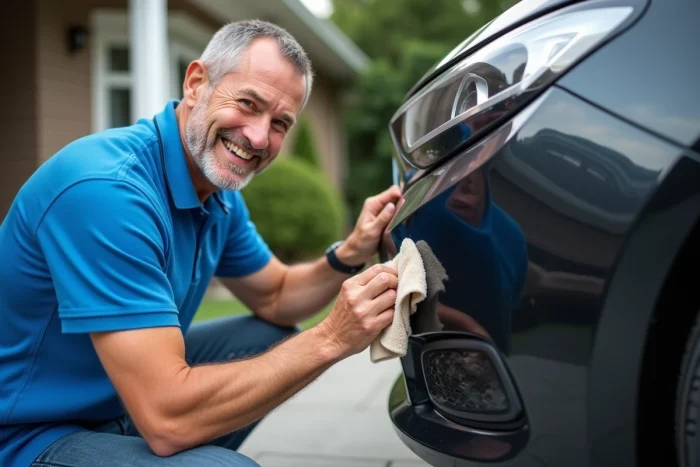
An undeniable statistic: 9 out of 10 vehicles show scratches on their interior plastics after five years of use. Most do not result from sabotage or accidents, but simply from everyday life. Far from alarmist rhetoric, there are simple and precise methods to make these marks disappear, without giving in to the temptation of systematically replacing the damaged part, which can be costly. Provided you avoid bad habits and act methodically, it is possible to restore shine to these often-abused surfaces.
Why do car plastics scratch so easily? Understanding the causes and different types of scratches
Car plastics are not invulnerable. Polycarbonate, plexiglass, methacrylate: behind these technical names lie materials chosen for their lightness, reasonable cost, and ease of manufacturing. However, not all react the same way to wear and tear. Plexiglass deforms and marks quickly at the slightest impact, while polycarbonate withstands blows better but eventually gives in under repeated stress.
In daily routines, every action counts. Children scratch interior trims by climbing onto the seats, luggage scrapes the trunk thresholds, and keys find their way into the glove compartment. Tools or metal objects sometimes cause nicks that only a trained eye can detect at the moment. Add to this the progressive wear: even without accidents, the surface eventually shows streaks, whether small or pronounced, depending on the hardness of the plastic and the intensity of the contact.
To better understand the severity of the marks, here are the main categories of scratches found on automotive plastics:
- Superficial scratches: these occur due to light contact, such as a keychain, a watch, or simply the continuous rubbing of clothing.
- Medium scratches: these develop after repeated contact with harder objects, like a stroller or tools.
- Deep scratches: resulting from a significant impact or a sharp object, they gouge the plastic and can be seen from a distance.
A scratched area is not just an aesthetic issue. On the dashboard or the glove compartment, it can diminish the resale value of the vehicle, even influencing a buyer’s decision. If you want to remove scratches from car plastic, know that each type of plastic and each depth of mark requires a specific solution, from light renovation to more extensive repairs.
What truly effective solutions are there to erase scratches on your car’s plastic?
Cleaning the scratched area is the first step. Use a dry microfiber cloth: even the slightest forgotten dust can worsen the situation during the subsequent treatment. For a superficial scratch, the remedy can sometimes be a simple gesture: apply a bit of toothpaste on a soft cloth and make small circles. The mild abrasive effect of the toothpaste polishes the plastic, often erasing the marks to the naked eye. A specific plastic polish, used in the same way, makes the repair more durable and revives the original shine.
For slightly more stubborn scratches, there are several methods recognized by professionals:
- Using fine-grit sandpaper (1000 to 2000), always working gently and in circular motions, to level the surface without gouging.
- Applying a polishing product for plastics, which complements the sanding and restores a uniform texture.
- Using all-in-one repair kits, containing filling paste, coloring, and applicator, to restore color and mask the mark.
When the scratch is deep, other techniques must be employed: a heat gun can soften the plastic and, if the technique is mastered, erase the mark through remolding. If the depression remains visible, fill it with putty before sanding and polishing carefully. In cases where the repair exceeds DIY capabilities, consulting a professional remains the best option; they will know how to restore the piece’s texture and color without leaving a trace.
Finally, apply a plastic renovator or a protective wax: these products create a barrier against future aggressions and prolong the result. Always test discreetly on a less visible area to avoid unpleasant surprises.

Preserving the new look of your plastics: practical tips and precautions to adopt daily
Keeping your interior plastics in good condition requires anticipation. Regular maintenance with a slightly damp microfiber cloth is enough to remove dust and impurities without damaging the material. It is better to avoid traditional household products, which are often too harsh for automotive surfaces. Anti-static cleaners are an effective solution against the accumulation of residues that, over time, create micro-scratches.
To strengthen the defense of your plastics, certain practices make a difference:
- Using a plastic renovator or a specific wax to create a protective layer and revive the shine.
- Regularly applying an anti-UV product or using a sunshade to limit discoloration and dulling, especially in exposed areas.
Adopting a few daily habits also limits damage: keep sharp or hard objects away from plastics, install soft protections or pockets in at-risk areas, and ensure that everyone, including children, handles their personal items carefully inside the vehicle.
The overall appearance of your cabin is not trivial: it weighs heavily in the overall perception of the vehicle and often influences negotiations during resale. Preserving your plastics is betting on longevity and the satisfaction of an interior that, year after year, maintains its first-hand look.
A scratch-free dashboard, clean trims: this is the promise of a car that withstands the years without losing its charm. It is up to each person to choose whether they prefer the marks of the past or the satisfaction of an intact cabin.